Victor Hugo’s immortal masterpiece; the most successful European musical of its day
«The Hunchback of Notre Dame»
HomePress Releases«The Hunchback of Notre Dame»
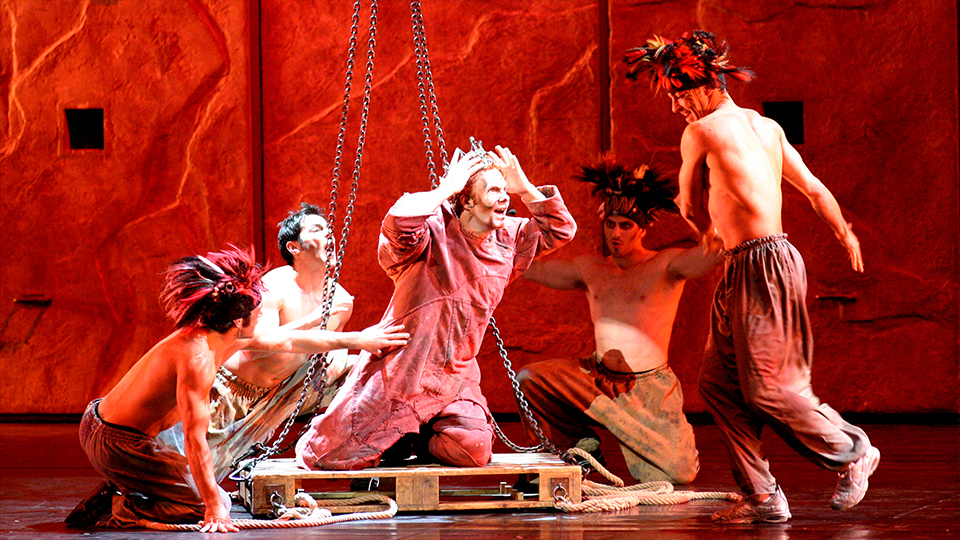
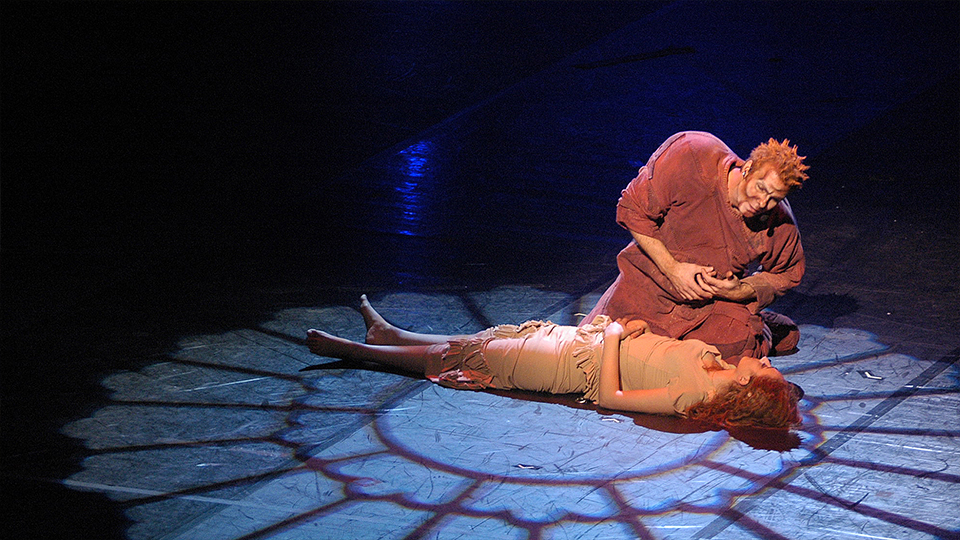
Notre-Dame de Paris, adapted from Victor Hugo’s novel, describes a rare and sincere love in the turbulent society of the late fifteenth century. The appearance of the beautiful gypsy Esmeralda throws the priest Frollo into a struggle between moral belief and human nature, makes the captain of the guards Phoebus, who was about to marry, break his faithful promise, while the hunchbacked bell-ringer Quasimodo gives without complaint, even offering his own life.
Hugo portrays the entanglements of love and desire between people in depth, bringing out both the ugliness and the goodness of human nature. The musical was later created by Canadian lyricist Luc Plamondon and composer Richard Cocciante, using modern dance and music to tell the story and carrying classical opera into a new era. Premiered in Paris in 1998, it was an unprecedented success, drawing more than four million viewers within two years, becoming the most successful musical in French history; Britain’s Daily Telegraph called it “the Phantom of the Opera of the French-speaking world”.
Its intense dramatic tension builds a sweeping epic and opened the way for French popular musicals in the twenty-first century. Its twelve new songs won Canada’s Felix awards for Show of the Year, Best Song of the Year and Best-selling Album of the Year, and in France it won Best Performance of the Year, Best Song of the Year and the Audience Award for Song of the Century.
When the French-language musical opened at the Taipei Arena, audiences queued up before the first show, and the 7:30 start was delayed by more than twenty minutes while people took their seats. Returning to Taiwan after its 2005 performances, it played eleven shows at the Taipei Arena, including a first-ever 10 p.m. “little weekend night-owl” show on March 29.